Rwanda - Sourcing
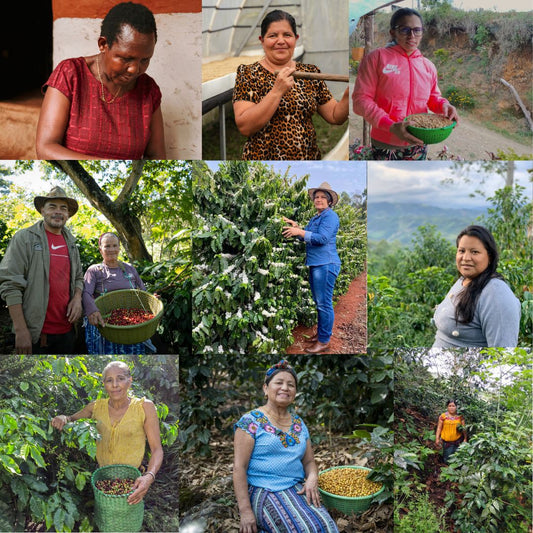
Rwanda’s specialty coffee sector has grown significantly over the past two decades through investment in washing stations, training programs, and international partnerships. Today, coffee remains central to rural livelihoods, with most production coming from smallholder farmers.
Rwanda’s coffee sector has completely transformed over the past two decades. In 2000, the government put coffee at the center of its agricultural recovery strategy, investing in washing stations and leveraging international partnerships. A 2002 cupping event in Kigali marked the start of Rwanda’s specialty story: from virtually zero specialty-grade production, to more than half of national output by 2018. Today, washing stations operate in 26 of 30 districts, and coffee is a crop that touches nearly every community.
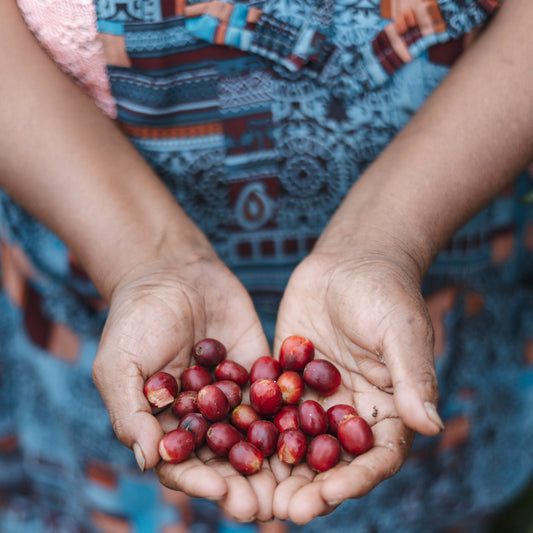
Almost all Rwandan coffee comes from smallholders, many tied to one of 200+ cooperatives. Ninety-nine percent is exported, with attention focused largely on washed processing, though an increasing range of high-quality natural and honey process offerings continue making headway among quality-focused producers and buyers.
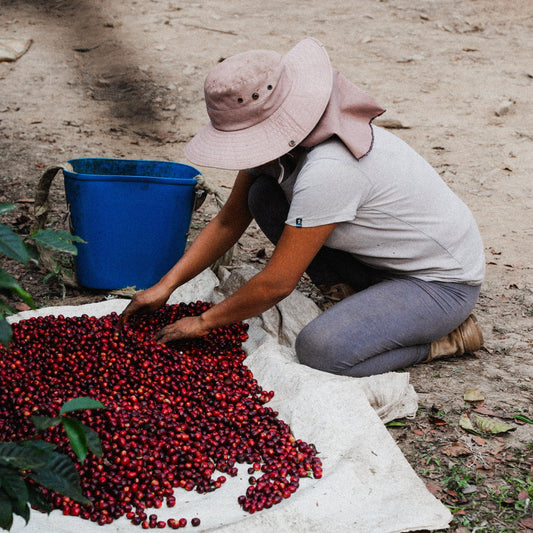
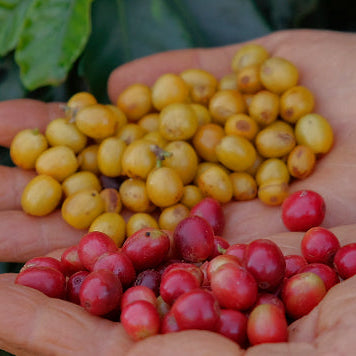
This natural lot was processed at Nova’s washing station in Bukure. Whole cherries were dried carefully on raised beds at high altitude, allowing sugars to concentrate and fruit character to develop steadily. Controlled drying supports consistency, sweetness, and a refined cup structure.
We sourced this coffee through Crop to Cup, who have partnered with Nova since 2017 and prioritize long-term relationships and transparent pricing.
In the cup, this coffee delivers bright cranberry, creamy dulce de leche sweetness, and a steady black tea finish. Vibrant, grounded, and intentionally crafted from farm to roast.